Pisang Peak Climbing

18 Days
Duration
Strenuous
Difficulty
The Expedition

Overview

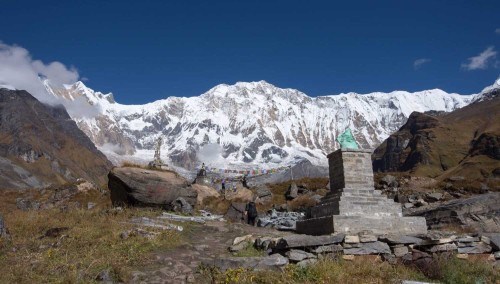
The Pisang Peak Climbing – 18 Days is one of the most popular trekking peak adventures in Nepal, offering a perfect blend of trekking along the famous Annapurna Circuit and an exciting Himalayan climbing experience. Standing at Pisang Peak (6,091m), this peak is ideal for trekkers who want to take their first step into technical mountaineering while still enjoying a culturally rich trekking route.

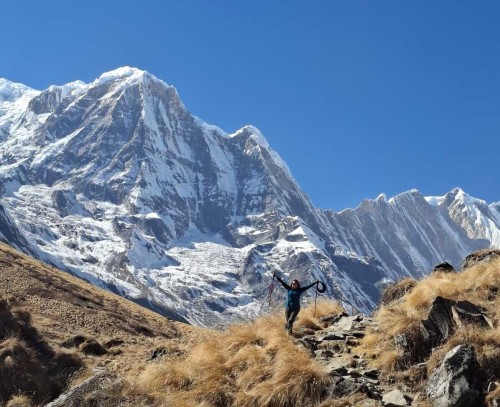
The journey begins with a scenic drive from Kathmandu to the Annapurna region, followed by trekking through beautiful villages such as Chame, Pisang, and Manang. Along the way, you will pass through forests, rivers, and high-altitude landscapes while experiencing the rich culture of Gurung and Tibetan-influenced communities. The trail also provides stunning views of Annapurna II, Annapurna IV, Gangapurna, and Tilicho Peak.

The climb itself is moderately technical, requiring the use of basic mountaineering equipment such as ropes, crampons, and ice axes. Before the summit attempt, proper training is provided at base camp. The summit offers breathtaking panoramic views of the Annapurna range and surrounding peaks. This 18-day itinerary is carefully designed to include proper acclimatization and a safe summit attempt, making it an excellent choice for adventurous trekkers.

Key Highlights of Pisang Peak Climbing

  • Climb Pisang Peak (6,091m)
  • Trek along the Annapurna Circuit route
  • Explore Manang Valley and traditional Himalayan villages
  • Stunning views of Annapurna II, III, IV, Gangapurna, and Tilicho Peak
  • Moderate technical climb with rope sections
  • Acclimatization in Manang for safety
  • Ideal for trekkers stepping into mountaineering
Daily Path

Endless Discovery

Day 1

Arrival in Kathmandu (1,400m)

Your journey begins as you arrive at Tribhuvan International Airport, the main international gateway to Nepal. After clearing immigration and collecting your luggage, you will be welcomed by your trekking team and transferred to your hotel in Kathmandu. The drive through the city offers your first glimpse of Nepal’s vibrant atmosphere, where traditional culture blends with modern life.

After checking into your hotel, you will have some time to rest and recover from your journey. Later in the day, you will attend a comprehensive trek and climbing briefing. During this session, your guide will explain the full itinerary in detail, including trekking routes, altitude challenges, and summit plans. Your gear will be carefully checked to ensure you are properly equipped for both trekking and climbing. You will also meet your climbing guide and support team, which is an important part of building trust before heading into the mountains. In the evening, you may explore nearby markets, enjoy local cuisine, or simply relax and prepare mentally for the adventure ahead.

  • Altitude: 1400
  • Accommodation: Hotel
  • Meals: Breakfast/Lunch/Dinner
Day 2

Drive from Kathmandu to Besisahar (760m) and to Chame (2,670m)

The day begins early with a long but rewarding drive from Kathmandu to Besisahar, which serves as the traditional starting point of the Annapurna Circuit. The road follows the Trishuli River and later the Marsyangdi River, passing through terraced farmland, small villages, and lush green hills. Along the way, you will observe rural life, with farmers working in the fields and local communities going about their daily routines.

From Besisahar, the journey continues by jeep on a rough mountain road toward Chame. This section of the drive is more adventurous, with narrow roads, waterfalls, and steep cliffs. As you gain altitude, the scenery gradually changes from subtropical landscapes to more rugged mountain terrain. By the time you reach Chame, you will notice the cooler climate and thinner air. Chame, the administrative center of Manang district, is a quiet village surrounded by towering peaks, marking the true beginning of your Himalayan journey.

  • Altitude: 2670
  • Accommodation: Lodge
  • Meals: Breakfast/Lunch/Dinner
Day 3

Trek from Chame to Upper Pisang (3,300m)

Your first trekking day begins in Chame, following a well-established trail along the Marsyangdi River. The path winds through dense pine forests, creating a peaceful and refreshing environment as you gradually gain elevation. The sound of the river accompanies you throughout the walk, adding to the experience of being deep in nature.

Along the way, you will cross suspension bridges and pass small settlements that reflect the traditional lifestyle of the region. As the trek progresses, the valley begins to widen, and the first major mountain views appear, including Annapurna II. The landscape slowly transitions from forested terrain to more open and dry surroundings as you approach Upper Pisang. This village is known for its traditional stone houses and its elevated position, offering spectacular views of the surrounding peaks. The change in scenery and altitude makes this day both exciting and physically engaging.

  • Altitude: 3300
  • Accommodation: Lodge
  • Meals: Breakfast/Lunch/Dinner
Day 4

Trek from Upper Pisang to Manang (3,540m)

From Upper Pisang, you take the higher route through Ghyaru and Ngawal, which is recommended for better acclimatization and superior views. The trail begins with a steady and sometimes demanding climb, but the effort is rewarded with breathtaking panoramas of the Annapurna range.

As you move along the trail, you will pass through traditional villages where Tibetan-influenced culture is evident in the architecture, prayer flags, and local customs. The landscape becomes increasingly open and dramatic, with wide valleys and towering peaks such as Annapurna III, Annapurna IV, and Gangapurna visible throughout the journey. Eventually, you arrive at Manang, a large and culturally rich village. It serves as an important acclimatization stop and offers comfortable lodges, bakeries, and monasteries, providing a balance of comfort and cultural experience.

  • Altitude: 3540
  • Accommodation: Lodge
  • Meals: Breakfast/Lunch/Dinner
Day 5

Acclimatization Day in Manang

This day is dedicated to proper acclimatization in Manang, which is crucial for reducing the risk of altitude sickness and preparing your body for higher elevations. Instead of complete rest, you will take a short hike to higher points such as Gangapurna Lake or Ice Lake. These hikes allow your body to adapt to thinner air while still returning to a lower altitude to sleep.

During the day, you may also explore the village, visit local monasteries, or learn more about the lifestyle and traditions of the people living in this high-altitude region. Many trekkers use this time to attend informal altitude awareness sessions provided by guides or local experts. This acclimatization day significantly improves your chances of a safe and successful climb, making it one of the most important days of the itinerary.

  • Altitude: 3540
  • Accommodation: Lodge
  • Meals: Breakfast/Lunch/Dinner
Day 6

Trek from Manang to Pisang Peak Base Camp (4,380m)

After spending valuable time acclimatizing in Manang, you leave the main Annapurna Circuit trail and begin moving toward Pisang Peak Base Camp. This marks a clear transition from trekking to a more remote and expedition-style journey. The trail gradually ascends out of the valley, becoming steeper and more rugged as you gain altitude.

The environment begins to change noticeably, with vegetation thinning out and the terrain becoming more rocky and alpine. The path is less crowded than the main trekking route, offering a quieter and more immersive mountain experience. As you climb higher, the air becomes thinner, and maintaining a steady pace becomes important. Upon reaching Base Camp, you will settle into a tented setup. Here, your guide will begin preparing you for the climbing phase by reviewing equipment and discussing the route ahead. The surrounding views of the Annapurna region create a dramatic backdrop, reinforcing the sense that you are now entering a more serious high-altitude environment.

  • Altitude: 4380
  • Accommodation: Camp
  • Meals: Breakfast/Lunch/Dinner
Day 7

Trek from Base Camp to High Camp (5,400m)

From Base Camp, you begin your ascent toward High Camp, located at a significantly higher elevation. The trail becomes more challenging, with a mix of rocky terrain, loose scree, and sections that may include snow or ice depending on conditions. This is where the trekking phase begins to merge with basic mountaineering, and you may start using essential climbing gear such as crampons and harnesses under the guidance of your climbing team.

The climb requires careful footing and steady movement, as the thinner air makes even simple steps more demanding. As you ascend, the views expand dramatically, offering wide panoramas of surrounding Himalayan peaks. Upon reaching High Camp, you will stay in tents positioned in a strategic location for the summit attempt. The atmosphere here is quiet and intense, with a clear sense of anticipation. After settling in, you will prepare your gear for the early morning climb and rest as much as possible, knowing that the summit push will begin before dawn.

  • Altitude: 5400
  • Accommodation: Camp
  • Meals: Breakfast/Lunch/Dinner
Day 8

Summit Pisang Peak (6,091m) and Return to Base Camp

This is the most important and demanding day of the entire expedition. You begin your summit attempt in the early hours of the morning, often around midnight or shortly after, depending on weather conditions. Equipped with headlamps and full climbing gear, you move carefully across snow-covered slopes and steeper sections that require the use of fixed ropes.

The climb involves sustained effort, with steep inclines and exposure to high altitude making every step physically and mentally challenging. Under the guidance of your climbing leader, you progress steadily toward the summit of Pisang Peak at 6,091 meters. Reaching the summit is a powerful and rewarding moment, offering panoramic views of the Annapurna range and surrounding peaks. After spending a short time at the top, you begin a careful descent, retracing your steps back down through the same route. The return to Base Camp is long and tiring, but completing the climb brings a strong sense of accomplishment.

  • Altitude: 6091
  • Accommodation: Camp
  • Meals: Breakfast/Lunch/Dinner
Day 9

Reserve/Contingency Day

This day is kept as a contingency to allow flexibility in the itinerary. In high-altitude environments, weather conditions can change quickly, and summit attempts may need to be delayed for safety reasons. Having this extra day significantly increases the chances of a successful climb by providing a buffer for unexpected delays.

If the summit was completed as planned on Day 8, this day can be used for rest and recovery at Base Camp or for beginning the descent earlier. In either case, the presence of a contingency day is an important safety measure that reflects proper expedition planning in the Himalayas.

  • Altitude: 4380
  • Accommodation: Camp
  • Meals: Breakfast/Lunch/Dinner
Day 10

Trek from Base Camp to Manang

After completing the climbing phase, you begin your descent back toward Manang. The return journey follows a similar route, but the experience feels noticeably different as you descend to lower altitudes. Breathing becomes easier, and the body begins to recover from the strain of high-altitude climbing.

The trail allows you to revisit familiar landscapes, now viewed from a different perspective. As you re-enter the main Annapurna Circuit route, the environment becomes more lively again, with other trekkers and local activity. Upon arrival in Manang, you can enjoy a more comfortable stay in a lodge, with better facilities and food options. This day provides a well-deserved opportunity to rest and reflect on the achievement of summiting Pisang Peak.

  • Altitude: 3540
  • Accommodation: Lodge
  • Meals: Breakfast/Lunch/Dinner
Day 11

Trek from Manang to Yak Kharka (4,110m)

Leaving Manang, you rejoin the Annapurna Circuit trail and head toward Yak Kharka. The trail gradually ascends through open landscapes, with fewer trees and more alpine vegetation. The terrain is relatively gentle compared to earlier climbing days, allowing for a steady and comfortable pace.

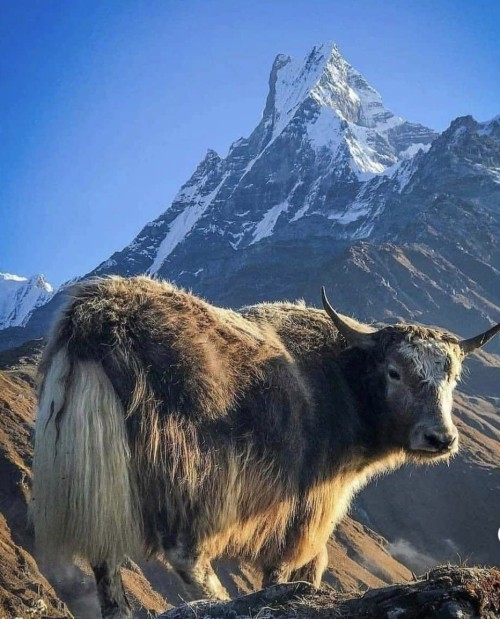
Along the way, you will see grazing yaks and wide mountain valleys that define this high-altitude region. The sense of openness and space becomes more pronounced, and the surrounding peaks continue to dominate the horizon. Yak Kharka is a small settlement with basic lodges, providing a quiet and peaceful overnight stop as you prepare for the next stage of the journey.

  • Altitude: 4110
  • Accommodation: Lodge
  • Meals: Breakfast/Lunch/Dinner
Day 12

Trek from Yak Kharka to Thorong Phedi (4,600m)

From Yak Kharka, you continue your gradual ascent toward Thorong Phedi, the base of the Thorong La Pass. The trail involves steady climbs along exposed slopes and narrow paths, with occasional landslide-prone areas that require careful movement.

As you gain altitude, the environment becomes more barren and windswept, with minimal vegetation and a strong sense of isolation. The air is thinner, and maintaining a slow, consistent pace is essential. Thorong Phedi serves as the final stop before crossing the pass, and the atmosphere here is focused and anticipatory. You will rest early in preparation for the challenging day ahead.

  • Altitude: 4600
  • Accommodation: Lodge
  • Meals: Breakfast/Lunch/Dinner
Day 13

Cross Thorong La Pass (5,416m) and Trek to Muktinath (3,800m)

This is one of the longest and most challenging days of the trek. You start very early in the morning to cross Thorong La Pass at 5,416 meters, one of the highest trekking passes in the world. The climb to the pass is steady and demanding, with cold temperatures and strong winds adding to the difficulty.

Reaching the top of the pass is a significant achievement, marked by prayer flags and breathtaking views of the surrounding Himalayan landscape. After a short rest, you begin a long descent toward Muktinath. The descent is steep but gradually becomes easier as you lose altitude. Muktinath is a sacred pilgrimage site, known for its temples and spiritual significance, offering a unique cultural experience at the end of a physically demanding day.

  • Altitude: 3800
  • Accommodation: Lodge
  • Meals: Breakfast/Lunch/Dinner
Day 14

Drive from Muktinath to Jomsom and Fly to Pokhara

From Muktinath, you travel by road to Jomsom through the Kali Gandaki Valley, known for its dramatic landscapes and strong winds. The drive offers views of dry, desert-like terrain that contrasts sharply with the greener regions earlier in the trek.

From Jomsom, you take a short flight to Pokhara. The flight provides stunning aerial views of the mountains and valleys. Upon arrival in Pokhara, you can enjoy a much more relaxed environment by the lakeside, with comfortable hotels and a wide range of dining options.

  • Altitude: 820
  • Accommodation: Hotel
  • Meals: Breakfast/Lunch/Dinner
Day 15

Drive or Fly from Pokhara to Kathmandu

You return from Pokhara to Kathmandu either by a short flight or a scenic drive. The journey marks the transition from mountain adventure back to city life.

Once in Kathmandu, you check into your hotel and have the rest of the day free. Many trekkers use this time to rest, enjoy good food, or explore the city further. It is also a good opportunity to reflect on the entire journey, from trekking through remote valleys to summiting a Himalayan peak.

  • Altitude: 1400
  • Accommodation: Hotel
  • Meals: Breakfast/Lunch/Dinner
Day 16

Rest Day in Kathmandu

This is a free day in Kathmandu, allowing you to relax after the physically demanding trek. You may choose to explore cultural sites, visit markets, or simply rest at your hotel.

Popular activities include sightseeing, shopping for souvenirs, or enjoying local cuisine. This day also provides flexibility in case of delays during the trek, ensuring that your international travel plans remain unaffected.

  • Altitude: 1400
  • Accommodation: Hotel
  • Meals: Breakfast/Lunch/Dinner
Day 17

Preparation and Farewell Dinner

On this day, you prepare for your departure while also taking time to celebrate the successful completion of your journey. In the evening, a farewell dinner is usually आयोजित with your trekking team, giving you the chance to share experiences and memories from the expedition.

This is a meaningful moment where you can thank your guides and porters for their support. The dinner often includes traditional Nepali food and cultural elements, providing a fitting conclusion to your Himalayan adventure.

  • Altitude: 1400
  • Accommodation: Hotel
  • Meals: Breakfast/Lunch/Dinner
Day 18

Final Departure

Your journey concludes with a transfer to Tribhuvan International Airport for your onward flight. As you leave Nepal, you carry with you the experience of trekking through the Annapurna region, summiting Pisang Peak, and crossing one of the highest passes in the world.

The memories of the landscapes, cultural encounters, and personal achievements remain long after the journey ends, making this adventure a truly unforgettable experience.

  • Altitude: 1400
  • Accommodation: Hotel
  • Meals: Breakfast/Lunch/Dinner

What's Included

  • Airport pickup and drop-off in Kathmandu
  • All ground transportation (Kathmandu → Besisahar/Annapurna region → Kathmandu)
  • Domestic flights (if itinerary includes Pokhara)
  • Teahouse accommodation during trekking
  • Camping at Base Camp and High Camp for summit nights
  • Three meals daily (Breakfast, Lunch, Dinner) during trekking and climbing
  • Licensed trekking guide and experienced climbing guide
  • Porter service for carrying your luggage (1 porter per 2 trekkers)
  • Pisang Peak climbing permit
  • Annapurna Conservation Area Permit (ACAP) & TIMS card
  • Group climbing equipment: ropes, crampons, harnesses, ice axes
  • First aid kit and basic medical support
  • Pre-climb mountaineering training at Base Camp

Not Included

  • International airfare to/from Nepal
  • Nepal visa fees
  • Personal climbing gear (e.g., helmet, harness, crampons—unless rented)
  • Travel insurance (mandatory for trekking & climbing, including emergency evacuation)
  • Personal expenses: Wi-Fi, hot showers, charging devices, drinks
  • Tips for guides and porters
  • Optional sightseeing or side trips outside itinerary
  • Emergency evacuation costs (helicopter rescue, medical emergency)
Expedition Intel

Common Questions

Pisang Peak is considered moderate to challenging. While it’s not as technical as Lobuche or Mera Peak, the summit involves steep snow slopes and fixed rope sections. Trekkers should be physically fit and comfortable walking for multiple days at high altitude. The climb also requires careful pacing, proper acclimatization, and basic mountaineering skills. With experienced guides, even first-time climbers with good fitness can achieve a successful summit.

No prior climbing experience is strictly necessary, but it helps to have trekking experience or basic mountaineering knowledge. Before the summit, you’ll receive professional training on how to use crampons, ice axes, harnesses, and fixed ropes. This ensures safety and boosts confidence during the climb. Most clients who have done previous treks without technical climbing skills can manage Pisang Peak with guidance.

The highest point is the summit of Pisang Peak at 6,091 meters (19,980 ft). At this altitude, oxygen levels are low, making proper acclimatization crucial. Summit day involves steep snow sections and glacier travel, so careful pacing, hydration, and teamwork with your guide are essential for a safe climb.

The full itinerary is 18 days, combining the Annapurna Circuit trek with the Pisang Peak climb. Trekking days vary between 5–7 hours, while summit day requires an early morning start and may take 8–10 hours round-trip, depending on conditions and fitness level.

The best seasons are:

  • Spring (March–May): Trails are green, rhododendrons bloom, and snow conditions are ideal.
  • Autumn (September–November): Clear skies, stable weather, and excellent visibility for panoramic views.

Winter is extremely cold, while monsoon (June–August) brings heavy rainfall, slippery trails, and poor visibility, making climbing risky.

Community

Traveler Stories

Write a Review

Infinity Suggestions

You Might Also Love