Chulu East Peak Climbing – 18 Days

18 Days
Duration
Strenuous
Difficulty
The Expedition

Overview

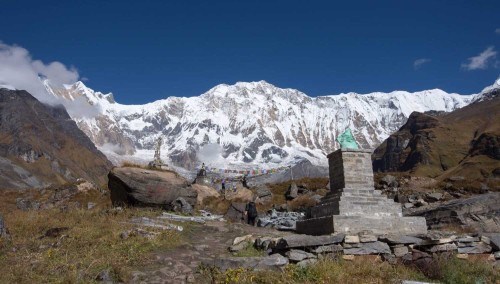
The Chulu East Peak Climbing – 18 Days is an exciting Himalayan adventure that combines the classic Annapurna Circuit trek with a challenging climb of Chulu East Peak (6,584m). Located in the Manang region, this peak offers one of the best panoramic views in Nepal, including Annapurna, Dhaulagiri, Manaslu, and Tilicho Peak. It is an excellent choice for trekkers looking to step into high-altitude mountaineering with a more serious challenge.

The journey begins with a scenic drive from Kathmandu to the Annapurna region, followed by trekking through traditional villages like Chame, Pisang, and Manang. Along the way, you’ll experience diverse landscapes—from lush forests and rivers to alpine deserts and glacial terrain. The cultural experience is equally rich, with Tibetan-influenced traditions, monasteries, and local hospitality.

The climb itself is moderately technical, requiring the use of mountaineering equipment such as ropes, crampons, and ice axes. The summit push involves glacier travel and steep snow slopes, making it more demanding than beginner peaks. However, with proper acclimatization, training, and expert guidance, climbers are rewarded with one of the most breathtaking summit views in the Annapurna region.

Key Highlights of Chulu East Peak Climbing

  • Climb Chulu East Peak (6,584m) – a high-altitude trekking peak
  • Trek along the Annapurna Circuit
  • Explore Manang Valley and its unique culture
  • Stunning views of Annapurna, Dhaulagiri, Manaslu, and Tilicho Peak
  • Cross Thorong La Pass (5,416m)
  • Experience glacier travel and real mountaineering
  • Less crowded compared to Everest region climbs
Daily Path

Endless Discovery

Day 1

Arrival in Kathmandu (1,400m)

Upon your arrival at Tribhuvan International Airport, you will be warmly welcomed by our team and transferred to your hotel. After check-in, you can relax or explore the nearby areas such as Thamel, which is popular for trekking shops, cafes, and local culture. In the evening, you will attend a detailed pre-trip briefing where your guide will explain the trek, climbing process, safety measures, and equipment checklist. This is also the perfect time to ask questions and finalize any last-minute preparations.

  • Altitude: 1400
  • Accommodation: Hotel
  • Meals: Breakfast/Lunch/Dinner
Day 2

Drive from Kathmandu to Besisahar (760m) and to Chame (2,670m)

Your journey begins early in the morning with a scenic drive from Kathmandu to Besisahar along winding highways, passing rivers, terraced fields, and rural villages. After reaching Besisahar, you’ll switch to a jeep for an adventurous off-road drive to Chame, the headquarters of the Manang district. As you ascend, the landscape gradually changes from green hills to rugged mountain terrain. You’ll also start noticing cooler temperatures and fresh mountain air.

  • Altitude: 2670
  • Accommodation: Lodge
  • Meals: Breakfast/Lunch/Dinner
Day 3

Trek from Chame to Upper Pisang (3,300m)

The trek begins through dense pine forests, following the Marsyangdi River. The trail offers stunning views of Annapurna II and Lamjung Himal. You’ll cross suspension bridges and walk through small settlements along the way. As you gain altitude, the valley opens up, revealing dramatic mountain landscapes. Upper Pisang is a beautiful traditional village with stone houses and panoramic Himalayan views.

  • Altitude: 3300
  • Accommodation: Lodge
  • Meals: Breakfast/Lunch/Dinner
Day 4

Trek from Upper Pisang to Manang (3,540m)

Today you take the higher route via Ghyaru and Ngawal, which is slightly more challenging but highly rewarding. The trail involves a steady uphill climb but offers spectacular views of Annapurna III, Annapurna IV, Gangapurna, and Tilicho Peak. Along the way, you’ll pass through ancient villages with Tibetan-style architecture and monasteries. This route also helps in better acclimatization compared to the lower path.

  • Altitude: 3540
  • Accommodation: Lodge
  • Meals: Breakfast/Lunch/Dinner
Day 5

Acclimatization Day in Manang

This is a crucial day to allow your body to adapt to the increasing altitude. Instead of complete rest, you’ll go for a short hike to nearby viewpoints such as Gangapurna Lake or Ice Lake. These hikes help improve acclimatization by following the principle of “climb high, sleep low.” You can also explore Manang village, visit monasteries, or attend altitude awareness sessions available in the area.

  • Altitude: 3540
  • Accommodation: Lodge
  • Meals: Breakfast/Lunch/Dinner
Day 6

Trek from Manang to Yak Kharka (4,110m)

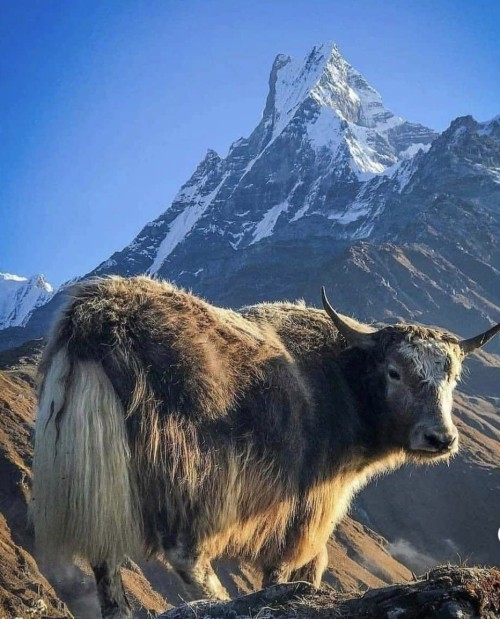
Leaving Manang, the trail gradually ascends through alpine landscapes with fewer trees and more open terrain. You’ll see herds of yaks grazing in high-altitude pastures. The air becomes thinner, and the temperature drops as you climb higher. The walk is relatively short to help your body adjust to the altitude. Yak Kharka is a small settlement surrounded by mountains and peaceful landscapes.

  • Altitude: 4110
  • Accommodation: Lodge
  • Meals: Breakfast/Lunch/Dinner
Day 7

Trek from Yak Kharka to Chulu East Base Camp (4,900m)

Today, you leave the main Annapurna Circuit trail and head toward Chulu East Base Camp. The trail becomes more rugged and less defined, passing through rocky terrain and glacial valleys. As you approach base camp, the environment becomes more remote and wild. Upon arrival, you’ll settle into tents and prepare for the climbing phase. The views of surrounding peaks are spectacular.

  • Altitude: 4900
  • Accommodation: Camp
  • Meals: Breakfast/Lunch/Dinner
Day 8

Trek from Base Camp to High Camp (5,400m)

The climb to High Camp is physically demanding, involving steep ascents over rocky and snowy terrain. You’ll begin using basic climbing equipment and move at a slow and steady pace. Once at High Camp, you’ll receive final instructions for the summit attempt. The views from High Camp are breathtaking, especially during sunset, with golden light reflecting on the snow-covered peaks.

  • Altitude: 5400
  • Accommodation: Camp
  • Meals: Breakfast/Lunch/Dinner
Day 9

Summit Chulu East Peak (6,584m) and Return to Base Camp

This is the most important and challenging day of the expedition. You’ll start early, usually before sunrise, equipped with headlamps. The climb involves glacier travel, steep snow slopes, and fixed rope sections. With guidance from your climbing guide, you’ll carefully make your way to the summit.

Reaching the top is an unforgettable moment, offering 360-degree views of Annapurna, Dhaulagiri, Manaslu, and beyond. After spending some time at the summit, you’ll descend carefully back to Base Camp, where you can finally relax after a long and rewarding day.

  • Altitude: 6584
  • Accommodation: Camp
  • Meals: Breakfast/Lunch/Dinner
Day 10

Contingency/Reserve Day

This extra day is kept as a safety buffer in case of bad weather, difficult conditions, or delays during the summit attempt. Having a contingency day significantly increases the success rate of the climb and ensures flexibility in the itinerary.

  • Altitude: 4900
  • Accommodation: Camp
  • Meals: Breakfast/Lunch/Dinner
Day 11

Trek from Base Camp to Manang

After the climbing phase, you’ll descend back to Manang. The descent feels easier as oxygen levels increase, and you can enjoy the landscapes more comfortably. This is a recovery day where you can relax, enjoy good food, and celebrate your successful summit.

  • Altitude: 3540
  • Accommodation: Lodge
  • Meals: Breakfast/Lunch/Dinner
Day 12

Trek from Manang to Thorong Phedi (4,600m)

The trek continues along the Annapurna Circuit trail, gradually ascending toward Thorong Phedi. The trail is dry and barren, reflecting the rain-shadow region of the Himalayas. Thorong Phedi serves as the base for crossing Thorong La Pass the next day.

  • Altitude: 4600
  • Accommodation: Lodge
  • Meals: Breakfast/Lunch/Dinner
Day 13

Cross Thorong La Pass (5,416m) and Trek to Muktinath (3,800m)

One of the most challenging trekking days. You’ll start early in the morning to cross Thorong La Pass, one of the highest trekking passes in the world. The climb is steep and demanding, but the views from the top are incredible. After crossing the pass, you’ll descend to Muktinath, a sacred pilgrimage site for both Hindus and Buddhists.

  • Altitude: 3800
  • Accommodation: Lodge
  • Meals: Breakfast/Lunch/Dinner
Day 14

Drive to Jomsom and Fly to Pokhara

Drive through the Kali Gandaki Valley, known as the world’s deepest gorge, to reach Jomsom. From here, take a short scenic flight to Pokhara. Enjoy a relaxing evening by the lakeside.

  • Altitude: 820
  • Accommodation: Hotel
  • Meals: Breakfast/Lunch/Dinner
Day 15

Return to Kathmandu

Travel back to Kathmandu by flight or drive. Upon arrival, you can rest or explore the city.

  • Altitude: 1400
  • Accommodation: Hotel
  • Meals: Breakfast/Lunch/Dinner
Day 16

Leisure Day in Kathmandu

A free day to relax, shop for souvenirs, or explore cultural sites. You can also enjoy a spa or massage after the long trek.

  • Altitude: 1400
  • Accommodation: Hotel
  • Meals: Breakfast/Lunch/Dinner
Day 17

Farewell Dinner

Celebrate your successful adventure with a traditional Nepali farewell dinner hosted by your team.

  • Altitude: 1400
  • Accommodation: Hotel
  • Meals: Breakfast/Lunch/Dinner
Day 18

Final Departure

Transfer to the airport for your onward journey, taking unforgettable memories of the Himalayas with you.

  • Altitude: 1400
  • Accommodation: Hotel
  • Meals: Breakfast/Lunch/Dinner

What's Included

  • Airport pickup and drop-off in Kathmandu
  • All ground transportation (Kathmandu–Annapurna region–Kathmandu)
  • Domestic flight (Jomsom–Pokhara if applicable)
  • Teahouse accommodation during trekking
  • Camping at Base Camp and High Camp
  • Three meals daily (Breakfast, Lunch, Dinner)
  • Licensed trekking guide and professional climbing guide
  • Porter service (1 porter per 2 trekkers)
  • Chulu East Peak climbing permit
  • Annapurna Conservation Area Permit (ACAP) & TIMS
  • Group climbing gear (ropes, crampons, ice axes)
  • First aid kit and basic medical support
  • Pre-climb training

Not Included

  • International airfare
  • Nepal visa fees
  • Personal climbing gear
  • Travel insurance (mandatory)
  • Personal expenses (Wi-Fi, drinks, hot showers, charging)
  • Tips for guides and porters
  • Emergency rescue and evacuation costs
Expedition Intel

Common Questions

Chulu East Peak is considered moderate to challenging, mainly due to its high altitude (6,584m) and technical sections during the summit. The climb involves glacier travel, steep snow slopes, and fixed rope usage. Compared to Pisang Peak, it is more demanding and requires better physical fitness and endurance. Proper acclimatization and guidance are essential for a successful climb.

While not strictly required, previous trekking or basic mountaineering experience is highly recommended. Climbers will receive training at Base Camp, including how to use crampons, ropes, and ice axes. Beginners with strong fitness and determination can attempt it, but experience increases success rate and safety.

The highest point is the summit of Chulu East Peak at 6,584 meters (21,601 ft). At this altitude, oxygen levels are significantly reduced, making acclimatization, hydration, and pacing extremely important.

The full itinerary is 18 days, including trekking, acclimatization, climbing, and return. Daily trekking hours range from 5–7 hours, while summit day can take 8–10 hours depending on conditions.

The best seasons are:

  • Spring (March–May) – stable weather and good snow conditions
  • Autumn (September–November) – clear skies and excellent visibility

Winter is very cold, and monsoon season is not recommended due to poor weather conditions.

Yes, travel insurance is mandatory for this climb. It must cover high-altitude trekking and emergency evacuation, including helicopter rescue. This is essential for safety in remote Himalayan regions.

Yes, Chulu East is generally more difficult than Pisang Peak. It is higher in altitude and involves more technical climbing sections. It is better suited for trekkers who already have some experience or want a more serious mountaineering challenge.

Community

Traveler Stories

Write a Review

Infinity Suggestions

You Might Also Love