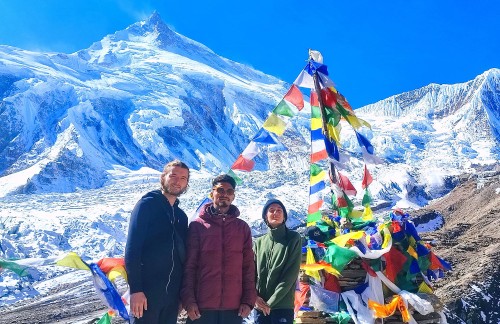
 16 Days
Manaslu Tsum Valley Trek 20 Days
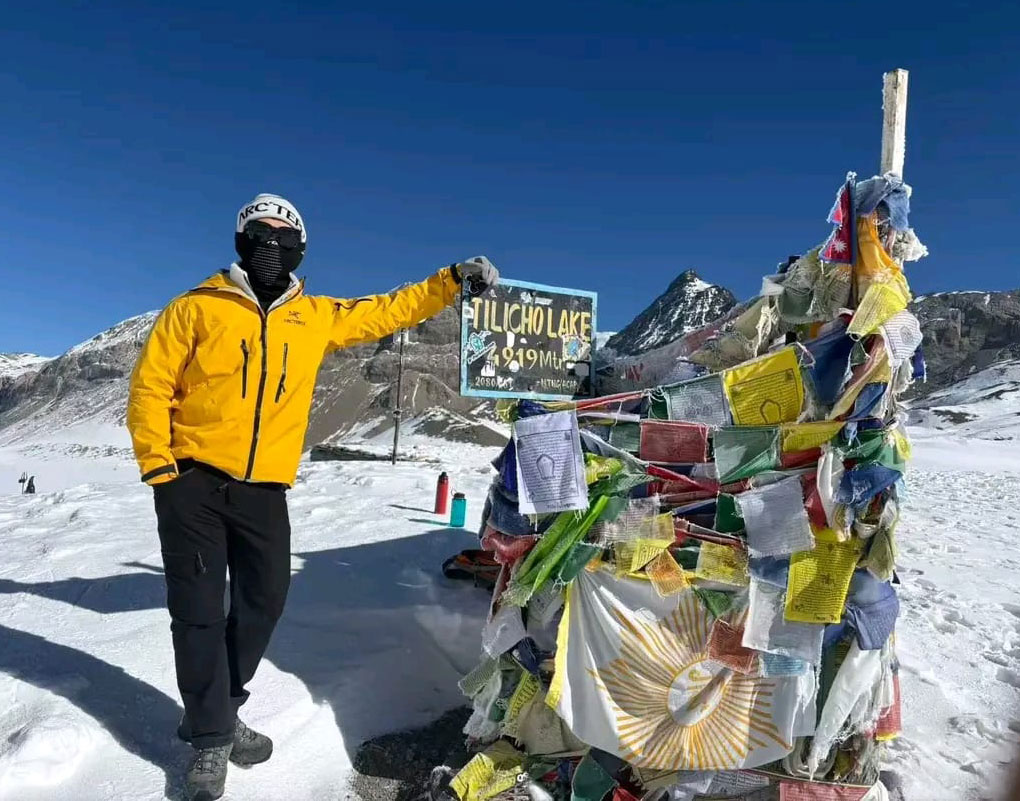
The Manaslu Tsum Valley Trek – 20 Days is one of Nepal’s most remote and culturally rich trekking adventures, combining the hidden beauty of the Tsum Valley with the classic Manaslu Circuit. This trek takes you deep into the restricted regions of the Himalayas, where ancient Tibetan Buddhist culture, untouched landscapes, and dramatic mountain views create a truly unique experience. Unlike more crowded routes, this trek offers peace, authenticity, and a raw connection with nature and local traditions.
The journey begins in the lower hills of Nepal and gradually ascends through lush forests, river valleys, and traditional Gurung and Tibetan-influenced villages. The highlight of the trek is the sacred Tsum Valley, often referred to as the “Hidden Valley,” where you’ll explore ancient monasteries, mani walls, and villages that have preserved their traditions for centuries. As you continue, the trek joins the Manaslu Circuit, offering breathtaking views of Mount Manaslu (8,163m)—the eighth highest mountain in the world—along with Ganesh Himal, Himalchuli, and other peaks.
This 20-day itinerary is designed for proper acclimatization and full exploration of both regions. It includes cultural immersion in remote villages, visits to monasteries like Mu Gompa, and the thrilling crossing of Larkya La Pass (5,106m). The trek is challenging but incredibly rewarding, making it perfect for experienced trekkers who want a complete Himalayan experience combining adventure, culture, and isolation.
Your Manaslu Tsum Valley adventure begins as you arrive at Tribhuvan International Airport in Kathmandu, where you are warmly welcomed and transferred to your hotel. After the journey, you can relax and settle in, taking time to recover and prepare for the trekking days ahead. This is also a good opportunity to organize your gear, check essentials, and get comfortable in the vibrant capital city.
Later in the day, you attend a trek briefing where you’ll receive important information about the Manaslu and Tsum Valley route, safety guidelines, permits, and cultural insights. This session helps you understand what to expect during the trek, from remote villages to high mountain passes and unique Tibetan-influenced culture. The day is calm and preparatory, giving you time to rest, adjust, and get mentally ready for the incredible adventure that lies ahead.
You begin your day early in Kathmandu, setting off on a long but scenic drive toward Machha Khola, located at 930 meters. The journey takes you through winding mountain roads, following rivers, passing terraced fields, and moving through small rural villages that showcase everyday life in Nepal. As you leave the city behind, the landscape gradually shifts into rolling hills, lush greenery, and narrow valleys, offering beautiful views throughout the drive.
The road becomes more rugged as you get closer to Machha Khola, adding a sense of adventure to the journey. Along the way, you may stop at local teahouses for meals or short breaks, allowing you to stretch and enjoy the surroundings. Upon arrival in Machha Khola, you check into a teahouse, relax, and enjoy a warm meal by the riverside. This day marks the transition from city life to remote trekking regions, setting the stage for the exciting Manaslu and Tsum Valley journey ahead.
You start your day in Machha Khola, beginning your first full trekking day along the trail that follows the Budhi Gandaki River. The path winds through narrow trails carved into hillsides, crossing suspension bridges and passing small settlements where locals live in traditional stone houses. Along the way, you’ll encounter waterfalls, rocky paths, and sections where the river flows powerfully beside you, creating a dramatic and immersive trekking experience. The trail includes a mix of gradual ascents and descents, making it moderately challenging but enjoyable.
After several hours of trekking, you reach Jagat, a charming village at 1,340 meters that serves as an entry point to the Manaslu Conservation Area. The village features stone-paved streets, traditional houses, and a peaceful atmosphere. Upon arrival, you check into a teahouse, rest, and enjoy a warm meal, marking a rewarding end to your first trekking day in the Manaslu region.
You begin your day in Jagat, continuing your journey deeper into the mountains as you head toward Lokpa, located at 2,240 meters. The trail gradually ascends through forests, terraced fields, and small villages, offering beautiful views of the surrounding hills and valleys. As you progress, the path becomes quieter and less crowded, signaling your entry into the more remote and restricted Tsum Valley region.
This section of the trek feels more isolated, with fewer trekkers and a stronger sense of untouched nature and culture. The landscape becomes more rugged, and you may pass prayer flags, chortens, and small monasteries that reflect the Tibetan-influenced traditions of the area. After several hours of trekking, you arrive in Lokpa, a small and peaceful village surrounded by forested hills. Here, you check into a teahouse, relax, and enjoy the calm atmosphere, marking your transition into one of Nepal’s most culturally rich and remote trekking regions.
You begin your day in Lokpa, continuing deeper into the remote Tsum Valley as the trail leads you through dense forests and across several suspension bridges over rushing streams. The path gradually descends and then climbs again, offering a mix of terrain that keeps the trek engaging. Along the way, you are rewarded with beautiful views of Ganesh Himal, rising majestically in the distance. The peaceful surroundings, combined with fewer trekkers, make this section feel truly off-the-beaten-path.
After several hours of trekking, you arrive at Chumling, a traditional village at 2,386 meters. The village features stone houses, terraced fields, and a strong Tibetan-influenced culture. Upon arrival, you check into a teahouse, relax, and explore nearby monasteries and local surroundings. Chumling offers a quiet and culturally rich environment, making it a perfect place to rest and experience authentic Himalayan village life.
You start your day in Chumling, heading further into the upper Tsum Valley toward Chhokang Paro, located at 3,010 meters. The trail steadily climbs through wider valleys, crossing rivers and passing through small settlements and cultivated fields. As you gain altitude, the landscape begins to open up, offering broader views of the surrounding mountains and a clearer sense of the valley’s vastness.
The cultural atmosphere becomes even more prominent, with prayer walls, chortens, and monasteries appearing more frequently along the route. After several hours of trekking, you reach Chhokang Paro, a beautiful and culturally rich village surrounded by open landscapes and mountain views. Here, you check into a teahouse, rest, and take time to explore the village, interact with locals, and immerse yourself in the unique traditions of the Tsum Valley. This day marks your entry into the higher and more culturally significant part of the region.
You begin your day in Chhokang Paro, continuing your journey deeper into the upper Tsum Valley as you head toward Nile, located at 3,361 meters. The trail gently ascends through wide open landscapes, passing cultivated fields, small streams, and traditional villages that reflect strong Tibetan cultural influence. Along the way, you’ll notice an increasing number of mani walls, prayer flags, and chortens, giving the route a deeply spiritual atmosphere. The terrain is less forested and more expansive, offering clear views of surrounding hills and distant snow-capped peaks.
After several hours of trekking, you arrive at Nile, one of the last settlements near the Tibetan border. The village is quiet and culturally rich, with traditional stone houses and monasteries that showcase centuries-old customs. Upon arrival, you check into a teahouse, rest, and explore the surroundings, experiencing the unique lifestyle and traditions of this remote Himalayan community. This day offers a deeper cultural connection and a sense of remoteness that defines the Tsum Valley experience.
You start your day in Nile, heading toward Mu Gompa, the highest point of the Tsum Valley trek at 3,700 meters. The trail is relatively short but steady, gradually climbing through barren landscapes and open valleys with dramatic mountain backdrops. As you ascend, the environment becomes more rugged and remote, with fewer settlements and a stronger sense of isolation.
Upon reaching Mu Gompa, you are welcomed by one of the most important monasteries in the region, surrounded by peaceful high-altitude scenery. You have time to explore the monastery, observe the daily lives of monks, and take in the spiritual atmosphere of the area. The location offers incredible views of the surrounding mountains and valleys, making it a rewarding destination. After settling into a basic teahouse or monastery accommodation, you can relax and reflect on reaching one of the most remote and culturally significant points of your journey.
You begin your day in Mu Gompa, leaving the highest point of the Tsum Valley behind as you start your descent back toward Chhokang Paro at 3,010 meters. The trail retraces your route through wide open valleys, barren landscapes, and culturally rich villages, but the return journey offers a completely different perspective. Descending allows you to take in views you may have missed on the ascent, including distant peaks, terraced fields, and traditional settlements scattered across the valley.
As you walk, the spiritual atmosphere remains strong with prayer flags, mani walls, and monasteries lining the path. After several hours of trekking, you arrive back at Chhokang Paro, where you check into a teahouse, rest, and enjoy a warm meal. This day is more relaxed compared to previous climbs, allowing your body to recover while still enjoying the beauty and culture of the Tsum Valley.
You start your day in Chhokang Paro, leaving the Tsum Valley behind as you descend toward Deng, located at 1,860 meters. The trail gradually winds through forests, rivers, and small settlements, retracing parts of the route you previously followed before entering the Tsum Valley. As you descend, the landscape becomes greener and more forested, with warmer temperatures and a noticeable change in vegetation.
This day marks your rejoining of the main Manaslu Circuit trekking route, bringing you back into a slightly busier trail compared to the remote Tsum Valley. After several hours of trekking, you arrive at Deng, a small village with teahouses where you can rest and enjoy a warm meal. The transition from remote cultural valleys to the main trekking route gives you a sense of progression in your journey, as you prepare for the next stages of the Manaslu adventure.
You begin your day in Deng, continuing along the Manaslu Circuit route as the trail gradually ascends toward Namrung, located at 2,630 meters. The path winds through dense forests, crosses suspension bridges over rivers, and passes through small settlements with traditional stone houses. As you gain altitude, the vegetation begins to change, and the air becomes cooler and fresher. The trail includes steady climbs, making it moderately challenging but rewarding.
As you approach Namrung, the landscape transitions into more alpine terrain, with clearer mountain views beginning to open up. Snow-capped peaks start to appear more prominently, giving you your first strong Himalayan panoramas of the Manaslu region. Upon arrival in Namrung, you check into a teahouse, rest, and enjoy a warm meal while taking in the peaceful mountain atmosphere. This day marks a shift from lower forested trails to higher alpine environments.
You start your day in Namrung, heading deeper into the Manaslu region toward Samagaon, situated at 3,530 meters. The trail gradually ascends through alpine landscapes, passing through villages like Lho and Shyala, where traditional Tibetan culture becomes more prominent. Along the way, you are rewarded with stunning views of Mount Manaslu, one of the world’s highest mountains, rising dramatically above the valley.
After several hours of trekking, you arrive at Samagaon, a large and culturally rich village known for its Tibetan-influenced lifestyle, monasteries, and traditional homes. Upon arrival, you check into a teahouse, rest, and explore the village, interacting with locals and observing their daily routines. The surrounding landscape offers breathtaking mountain views, making Samagaon one of the highlights of the trek. This day combines cultural immersion with spectacular scenery, preparing you for the higher-altitude adventures ahead.
You spend your day in Samagaon, allowing your body to properly adjust to the high altitude before continuing further. This rest day doesn’t mean staying idle—you can take an optional hike to Manaslu Base Camp or visit the beautiful Birendra Lake, both offering incredible views of the surrounding Himalayan peaks, including Mount Manaslu. These hikes help improve acclimatization while giving you a chance to explore the area more deeply.
Back in the village, you can spend time exploring monasteries, observing local Tibetan-influenced culture, and interacting with residents. The peaceful setting of Samagaon, combined with its stunning mountain backdrop, makes it an ideal place to rest and recharge. This day is essential for preparing your body for higher altitudes ahead while still enjoying light activity and cultural experiences.
You begin your day in Samagaon, heading toward Samdo, located at 3,875 meters. This is a relatively short trekking day, allowing for a gradual and comfortable gain in altitude. The trail follows a wide valley, with gentle ascents and open landscapes, offering expansive views of the surrounding mountains and glacial terrain. The environment becomes more rugged and less vegetated as you move higher, giving a true sense of high Himalayan wilderness.
After a few hours of trekking, you arrive at Samdo, a small village close to the Tibetan border. The village is quiet and culturally rich, with strong Tibetan influences reflected in its architecture and lifestyle. Upon arrival, you check into a teahouse, rest, and take in the stunning high-altitude scenery. This short but important day helps your body continue acclimatizing while bringing you closer to the high mountain passes of the Manaslu region.
You begin your day in Samdo, continuing your journey toward Dharamsala, located at 4,460 meters. The trail gradually ascends through barren landscapes, glacial terrain, and wide open valleys, with the vegetation becoming sparse as you gain altitude. The walk is steady and relatively short, but the thin air makes it feel more demanding, so it’s important to walk slowly and stay hydrated. Along the way, you are surrounded by dramatic mountain views and rugged Himalayan scenery, giving you a sense of the high-altitude environment you are entering.
After a few hours of trekking, you reach Dharamsala, also known as Larkya Phedi, which serves as the base camp for crossing the high pass the next day. The accommodation here is basic, but the atmosphere is filled with anticipation as trekkers prepare for the most challenging part of the journey. You spend the afternoon resting, checking your gear, and mentally preparing for the early morning start. This day is crucial for acclimatization and preparation before tackling the high-altitude crossing.
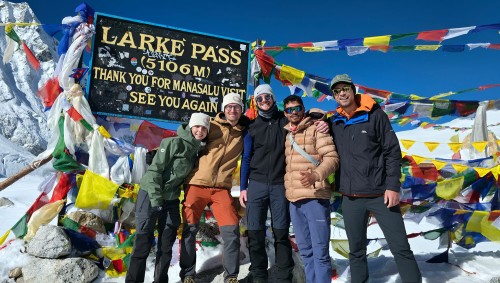
You start your day very early in Dharamsala, often before sunrise, to cross the challenging Larkya La Pass at 5,106 meters. The trail climbs steadily over rocky paths, snow-covered sections, and glacial terrain, requiring determination and careful pacing. This is the longest and most demanding day of the trek, but also the most rewarding. Upon reaching the pass, you are greeted with breathtaking panoramic views of surrounding peaks, glaciers, and vast Himalayan landscapes, making every step worthwhile.
After spending some time at the pass, you begin a long descent toward Bimthang, located at 3,590 meters. The trail drops steeply at first, then gradually eases into alpine meadows and glacial valleys, with changing scenery as you lose altitude. Upon arrival in Bimthang, you check into a teahouse, rest, and celebrate completing the toughest section of the trek. This day stands out as the highlight of the Manaslu journey, combining physical challenge, stunning scenery, and a deep sense of achievement.
You start your day in Bimthang, beginning the descent toward Dharapani, situated at 1,860 meters. The trail gradually drops through alpine meadows, glacial valleys, and sparse forests, transitioning into greener landscapes as you lose altitude. You pass rivers, terraced fields, and small settlements along the way, enjoying a slower pace after the challenging high-pass crossing. The descent provides plenty of opportunities to appreciate the changing scenery, interact with local villagers, and take photographs of the surrounding Himalayan peaks.
Upon arrival in Dharapani, you check into a teahouse, relax, and enjoy a warm meal. The village offers a peaceful environment, making it a perfect place to rest after several days in high-altitude terrain. This day combines gentle trekking with beautiful scenery, providing a sense of closure to the Manaslu and Tsum Valley high mountain journey.
After completing your trek in Dharapani, you transition back to road travel and drive toward Besisahar, the gateway town connecting the Manaslu region to major roads. The drive passes rivers, terraced fields, and small villages, offering a final scenic view of the Himalayan foothills and rural Nepalese life. It’s a relaxing way to end the trekking section, allowing your body to rest while still enjoying the landscapes.
Upon arrival in Besisahar, you may spend time exploring the town, interacting with locals, or enjoying a meal before continuing your onward journey. This day marks the official conclusion of your trekking adventure, transitioning from the high Himalayas to the lower hills and roads, leaving you with lasting memories of the Manaslu and Tsum Valley expedition.
You begin your final trekking day in Besisahar, boarding a vehicle for the drive back to Kathmandu, situated at 1,400 meters. The journey takes you along winding mountain roads, passing rivers, terraced fields, and small villages, offering a final opportunity to enjoy Nepal’s scenic landscapes from the comfort of your vehicle. This is a relaxing day compared to trekking, allowing your body to recover while reflecting on the memorable journey you’ve just completed.
Upon arrival in Kathmandu, you check into your hotel, unwind, and may have time to explore the city, shop for souvenirs, or enjoy a final meal in the vibrant capital. This day marks the end of the trekking portion of your Manaslu Tsum Valley adventure, giving you a peaceful transition from the high Himalayas to city life.
On your final day, you transfer from your hotel in Kathmandu to Tribhuvan International Airport for your onward journey. This concludes your unforgettable Manaslu Tsum Valley Trek, allowing you to carry home memories of snow-capped peaks, alpine valleys, sacred monasteries, and culturally rich villages.
As you depart, you leave Nepal with a deep appreciation for its natural beauty, remote Himalayan landscapes, and traditional communities. The experiences, challenges, and breathtaking scenery from this trek will remain etched in your memory, marking the end of a truly remarkable adventure.
This trek is considered challenging due to its long duration (20 days), remote trails, and high-altitude sections like Larkya La Pass (5,106m). Trekkers need good physical fitness, prior trekking experience, and mental endurance. The remote nature also means fewer facilities compared to popular routes like Everest or Annapurna, so preparation is key.
Yes, this trek requires multiple permits because it passes through restricted regions. You need the Manaslu Restricted Area Permit, Tsum Valley Restricted Area Permit, along with MCAP and ACAP permits. These are included in the package and must be arranged through a registered trekking agency.
No, solo trekking is not allowed in the Manaslu and Tsum Valley regions. You must trek with a licensed guide and at least two trekkers in a group. This rule ensures safety and proper monitoring in remote restricted areas.
The highest point is Larkya La Pass at 5,106 meters, which is one of the most challenging high passes in Nepal. Crossing this pass requires an early start, proper acclimatization, and good physical condition.
Tsum Valley is unique because it remained isolated for centuries and still preserves its ancient Tibetan Buddhist culture. The region is filled with monasteries, prayer walls, and traditional villages where life has changed very little over time. It offers a peaceful and spiritual trekking experience that is very different from crowded trekking routes.
16 Days
 16 Days
 20 Days
 9 Days